
Surface Roughness Measurement
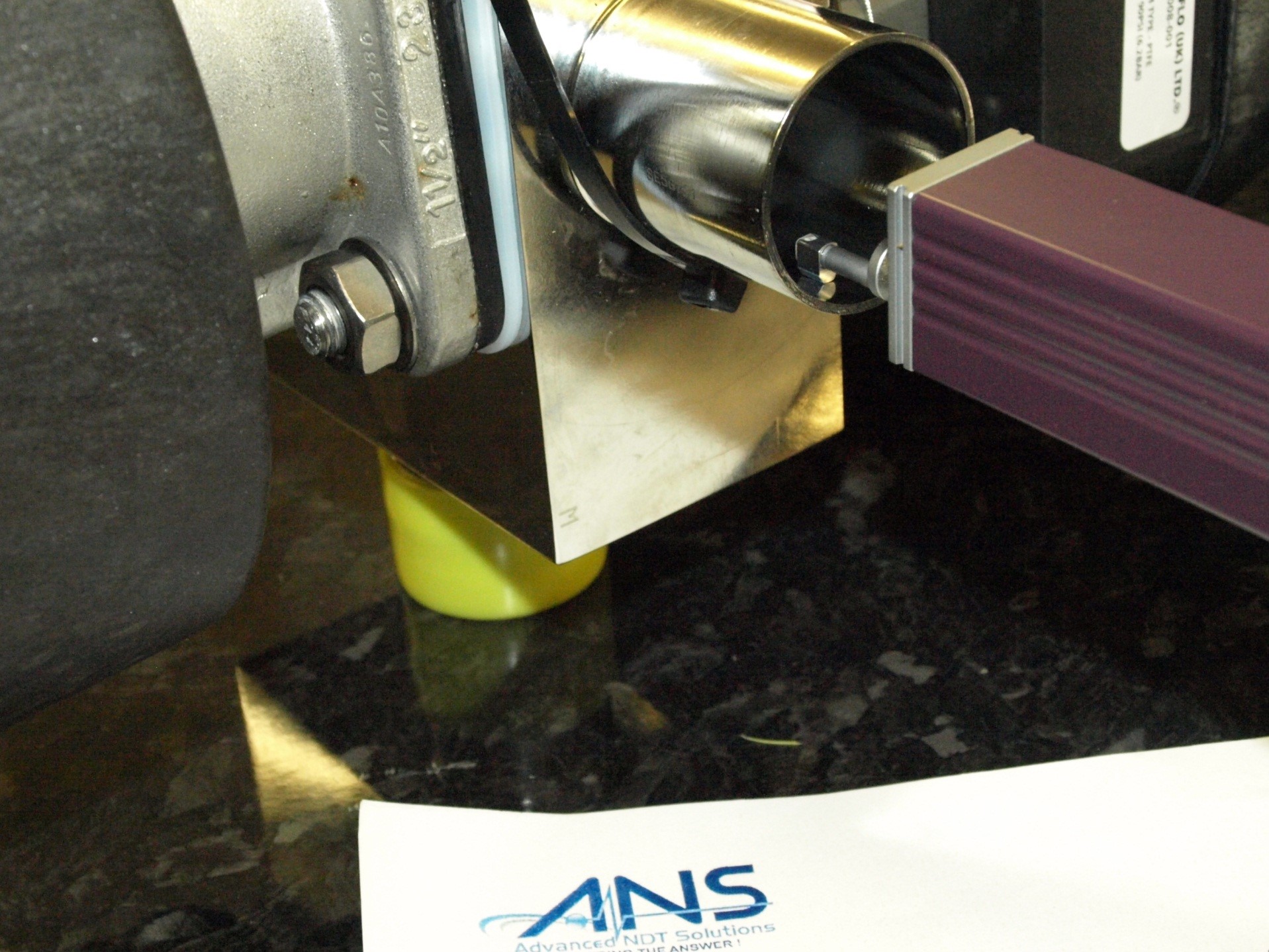
Surface Roughness Measurement
Advanced NDT Solutions provides precision Surface Roughness Measurement services, assisting clients in ensuring that all components meet rigorous specification requirements for efficiency, longevity, and hygiene.
Why Surface Finish Matters
Every machine shop and engineer understands that surface roughness is not just an aesthetic quality; it is a critical functional property.
Mechanical Efficiency & Longevity
For moving components in contact with each other—such as shafts, bushings, and bearings—the surface finish determines:
- Operational Efficiency: How smoothly the system runs.
- Life Expectancy: Rougher surfaces increase friction and wear, leading to premature failure.
- System Integrity: Controlling roughness ensures the assembled system operates within its design parameters.

Pharmaceutical & Hygienic Applications (ASME BPE)
In the pharmaceutical industry, surface roughness is paramount for sterility. A smooth surface is easier to clean, sterilize, and drain efficiently, reducing the risk of cross-contamination.
The ASME BPE (Bioprocessing Equipment) specification details strict surface roughness requirements, especially for components classified as “Product Contact.”
- Contamination Risk: Rough surfaces can trap foreign material, bacteria, or biofilm, which has the potential to contaminate the final product.
- Cleanability: Smoother surfaces (lower Ra values) allow for effective Clean-in-Place (CIP) procedures.
Understanding Surface Finish Designations
It is critical for the correct functioning of a high-purity system that all components meet specific surface roughness codes. Common ASME BPE designations include:
- SF1: Standard mechanical polish requirements.
- SF4: Requirements for electropolished surface finishes, offering superior corrosion resistance and smoothness.
Advanced NDT Solutions can verify these finishes on-site or in-house, ensuring your equipment is compliant and ready for operation.
Contact us
Trust Advanced NDT Solutions to provide the definitive answer to your inspection requirements.